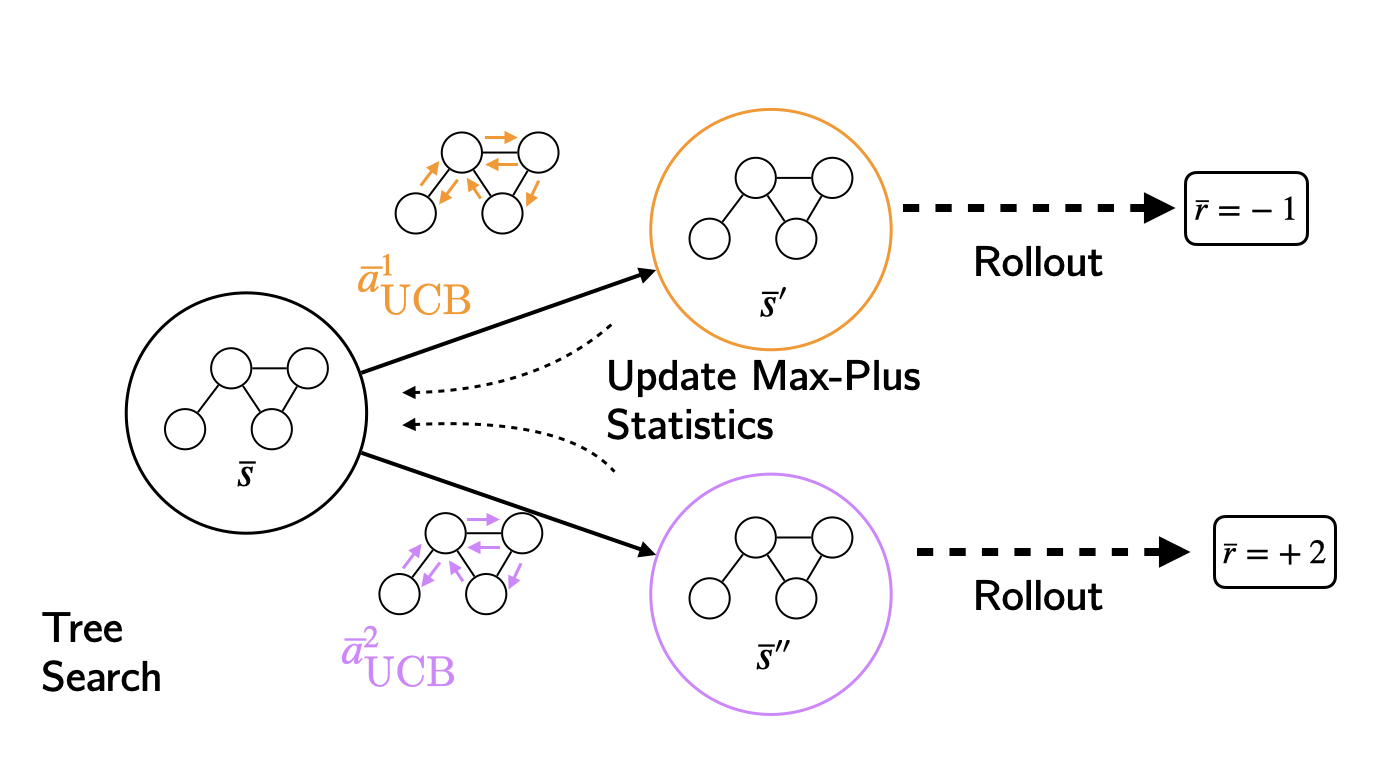
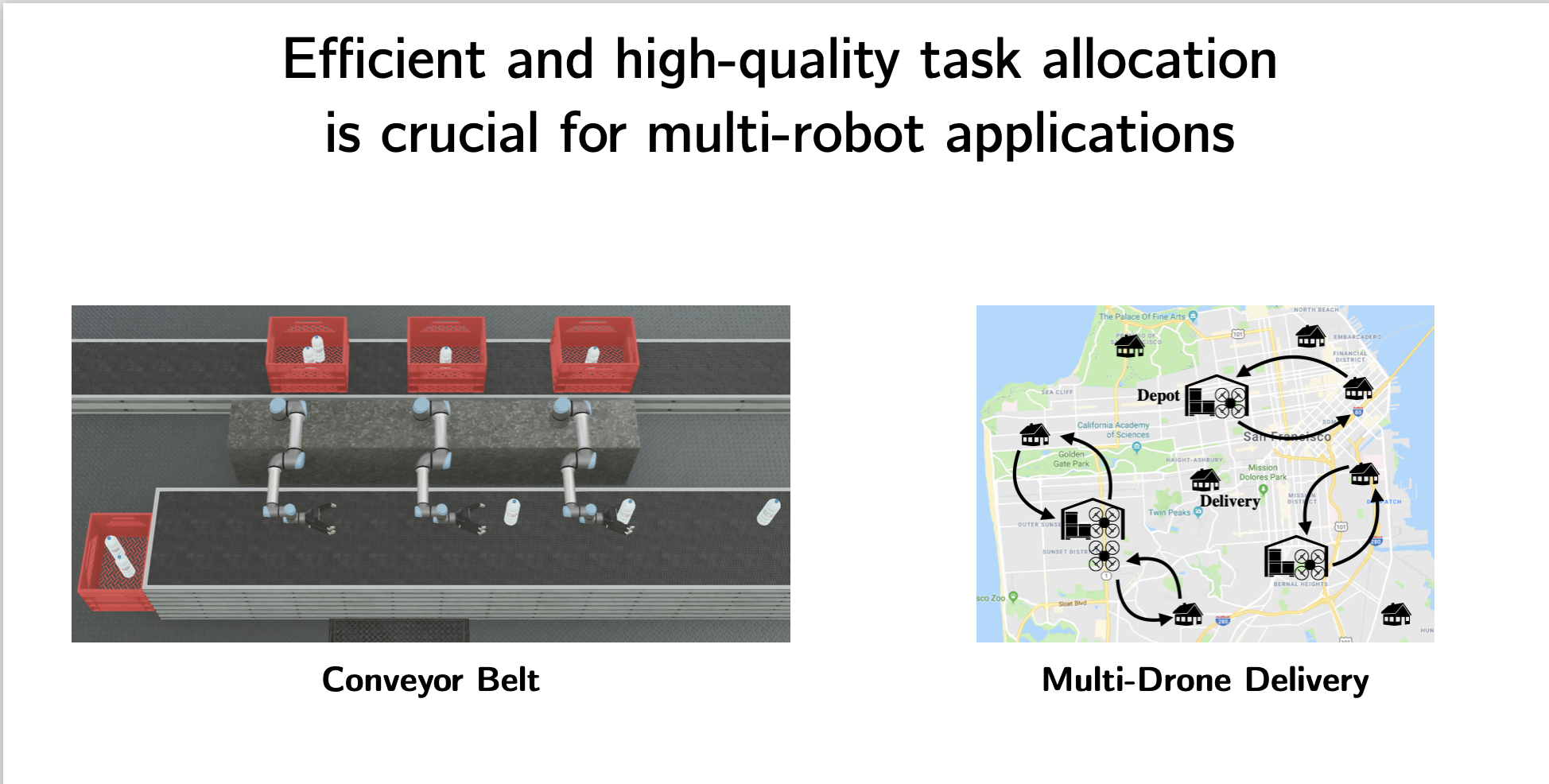
I am an Artificial Intelligence researcher with expertise in multi-agent systems, foundation models, and computational decision-making. My work has been applied to diverse domains, including global-scale geospatial intelligence, autonomous mobility networks, and robotics.
At Google Research, I work on three core efforts: (i) Frontier model behavior understanding and improvement (ii) Context optimization for enterprise agents (iii) Foundation models for geospatial intelligence and human mobility. My contributions have driven interdisciplinary published research and real-world Google product impact across Gemini, Cloud, Maps, and Ads.
I hold a Ph.D. in Computer Science from Stanford, where my award-winning research on multi-agent decision-making for large-scale autonomous systems was covered by the BBC, Venture Beat, and IEEE Spectrum. I also earned an MS in Robotics from Carnegie Mellon, focusing on advanced robot planning techniques.



Recent News
- November 2026: Gave an invited keynote talk on the foundations of urban mobility foundation models for the GeoIndustry Workshop at ACM SIGSPATIAL 2026.
- May 2026: Our paper Mobility-Embedded PoIs was accepted for publication at ICML 2026! ME-PoIs learns multimodal multi-task representations of points of interest by augment text-only embeddings with large-scale human mobility signals.
- March 2026: S2Vec, our paper on global-scale self-supervised geospatial embeddings, was published in the ACM Transactions on Spatial Algorithms and Systems journal and highlighted by the Google Research Blog.
- October 2025: Our vision track paper on Mobility Foundation Model Embeddings was published at ACM SIGSPATIAL 2025. Congratulations to my collaborator and student researcher, Maria Siampou, who gave a brilliant spotlight talk!
Selected Publications
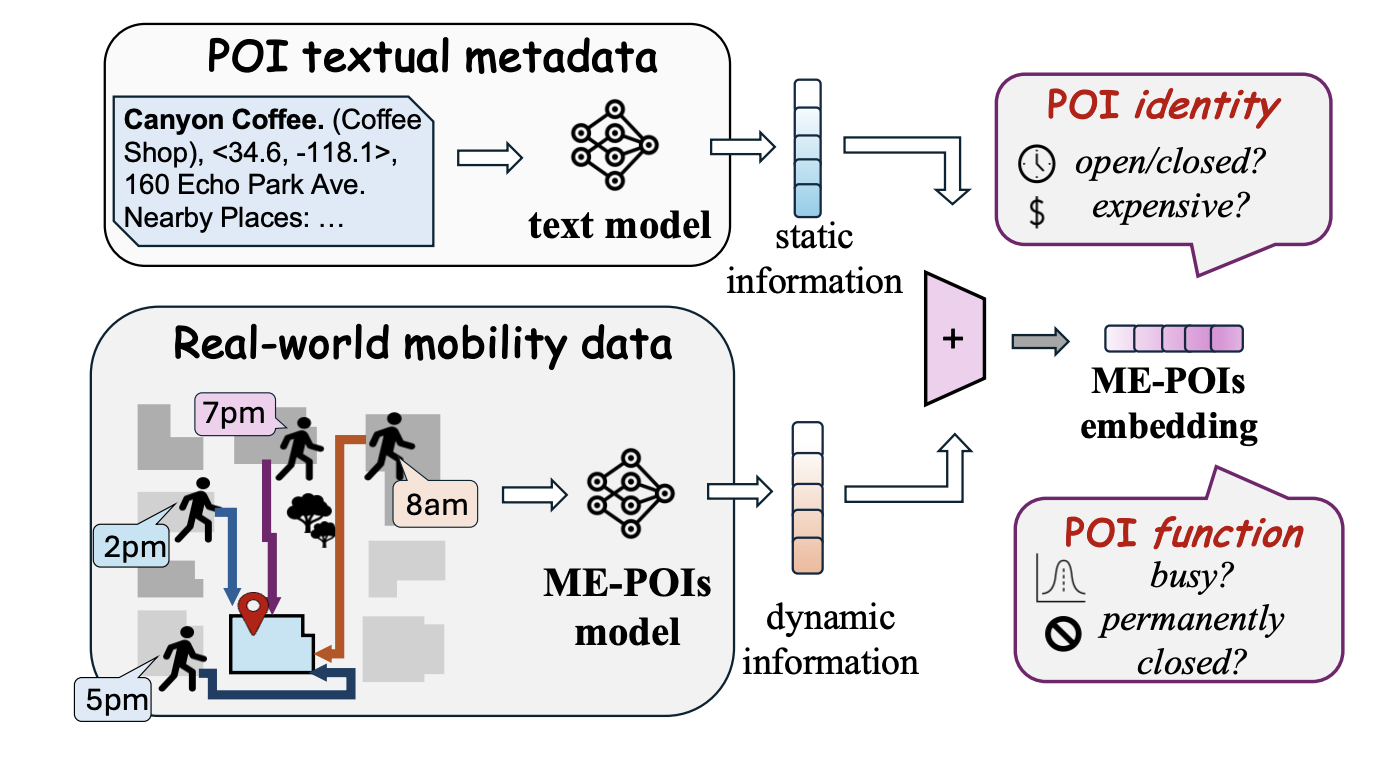
Mobility-Embedded POIs: Learning What A Place Is and How It Is Used from Human Movement
International Conference on Machine Learning (ICML), 2026.
Paper
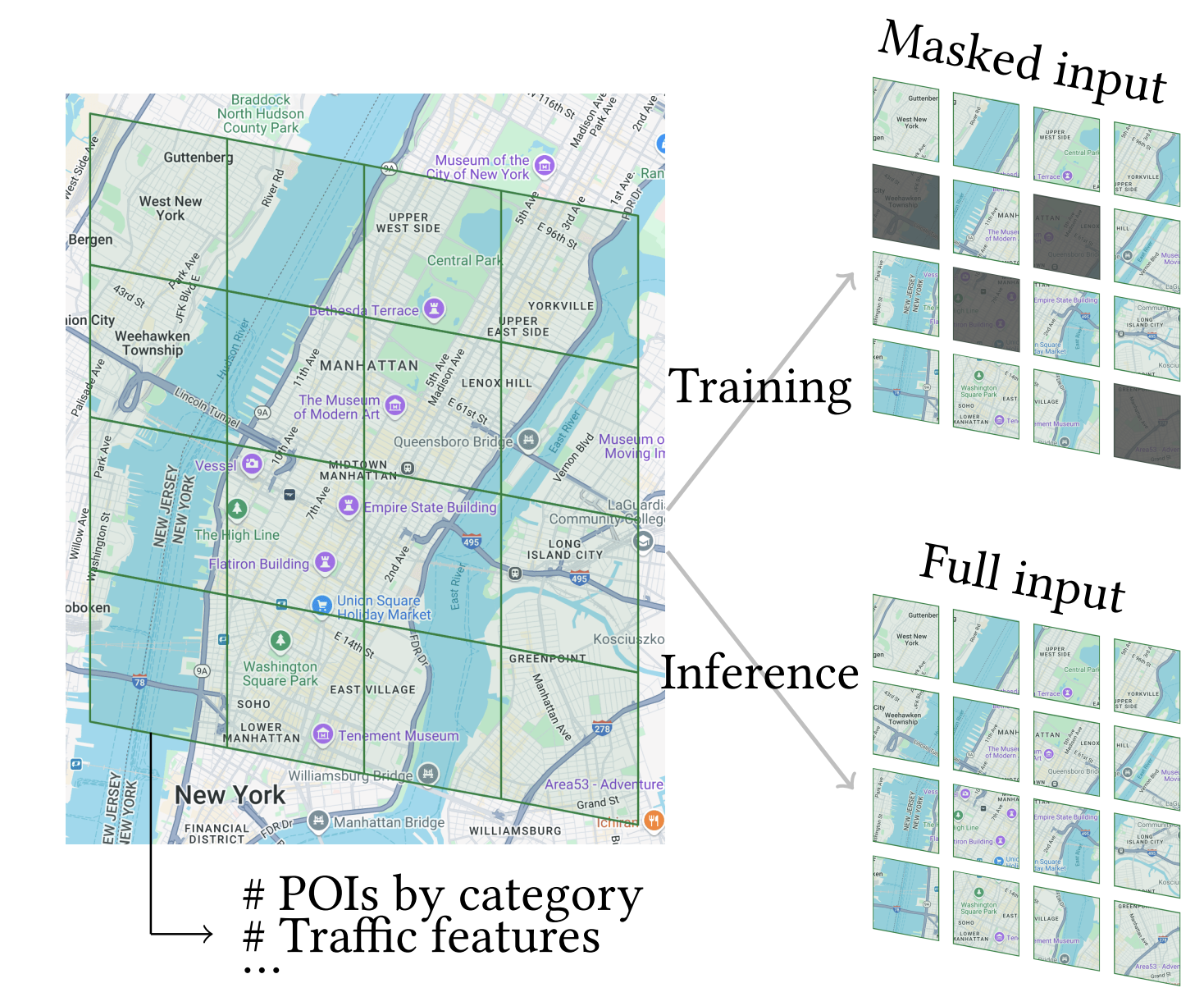
S2Vec: Self-supervised geospatial embeddings for the built environment
ACM Transactions on Spatial Algorithms and Systems (TSAS), 2026.
Paper